 Leie Life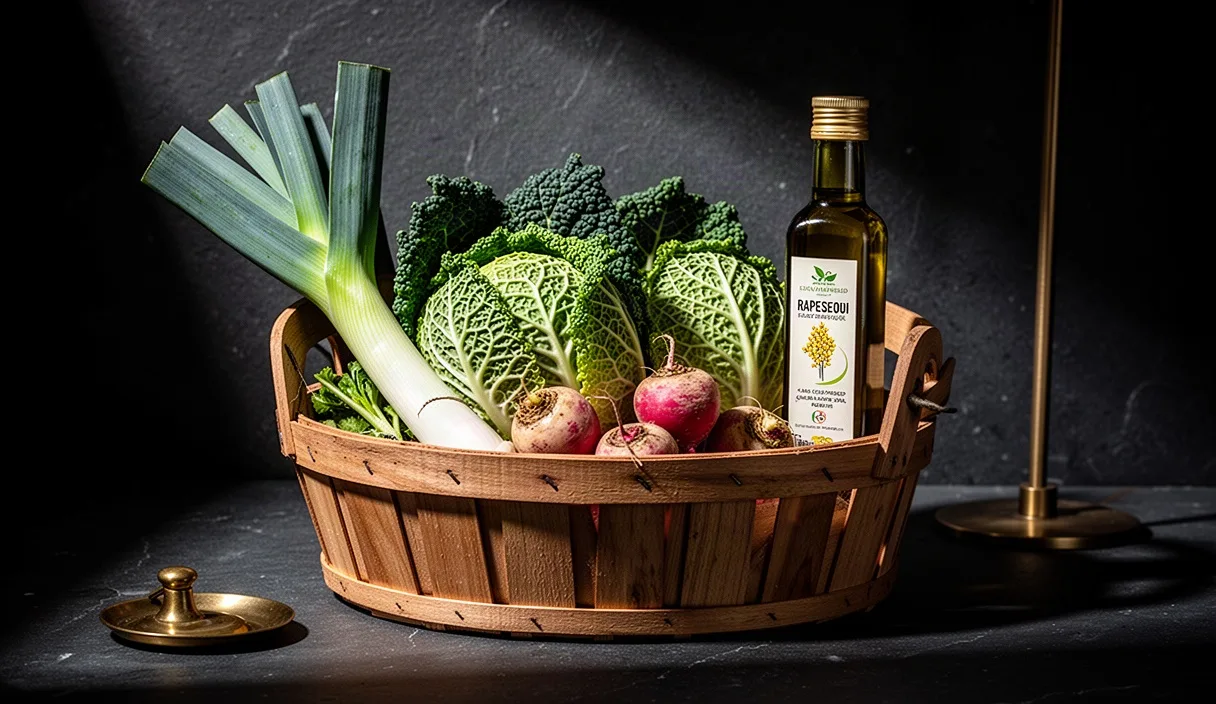

Walk through the Wednesday market in Kortrijk or along the Vrijdagmarkt in Ghent in mid-November, and your basket tells a very specific story about latitude. You will not find sun-ripened San Marzano tomatoes or fresh wild oregano plucked from dry limestone hills. Instead, you find crates of leeks, heavy heads of savoy cabbage, knobby celeriac, and grey North Sea shrimp packed in ice. For decades, nutrition headlines have told northern Europeans to eat as if they live on a sun-drenched Greek hillside. Yet our own coastal fringe, stretching from the rocky shores of Galicia and northern Portugal up through Brittany, Flanders, and into the Celtic sea, carries an equally ancient, resilient food culture known as the Southern Atlantic diet.
Both nutritional frameworks share an obsession with unprocessed foods, wild catches, and seasonal rhythms, but they diverge sharply in how they solve the problem of cold weather, storage, and fat. While the Mediterranean model looks south toward olives, sun-cured vegetables, and light broths, the Atlantic pattern looks directly at cold tides, hardy root crops, brassicas, and slow boiling. Understanding how these two regional blueprints operate allows you to adjust your pantry for real kitchen life along the Leie, without relying on air-freighted courgettes in the dead of winter or spending half your grocery budget on boutique ingredients.
Core Elements of Southern and Northern Coastal Diets
The Mediterranean diet, formalized through observations of southern Italy, Greece, and southern Spain during the mid-twentieth century, relies on a base of wheat, pulses, wild bitter greens, wine in moderation, and a heavy intake of monounsaturated fats from olives. Animal protein plays a secondary role, often limited to small amounts of goat or sheep cheese, poultry on occasion, and coastal fish like sardines or anchovies. Meals are frequently assembled quickly from raw ingredients or simmered briefly with garlic, tomatoes, and herbs.
The Atlantic diet originated along the oceanic belt of northwestern Iberia (specifically Galicia and northern Portugal) and shares deep parallels with the historic eating patterns of the Channel and North Sea coasts. Because this climate is damper, colder, and prone to relentless Atlantic squalls, the plate shifts toward sustained energy. Starchy tubers, dried beans, slow-simmered whole cuts of meat, and high-collagen broths accompany the daily catch. Where the Mediterranean sautees or drizzles, the Atlantic kitchen tends to boil, steam, or bake.
| Dietary Marker | Mediterranean Diet | Atlantic Diet |
|---|---|---|
| Primary Carbohydrate | Durum wheat, barley, chickpeas, lentils | Potatoes, rye, chestnuts, dried white beans |
| Thermal Treatment | Raw salads, quick sauteing, grilling | Boiling, pot-roasts, gentle poaching, steaming |
| Dairy Profile | Fermented sheep and goat milk, feta, pecorino | Cow milk cheeses, fresh curd, cultured butter |
| Core Allium / Herb | Garlic, basil, wild oregano, flat parsley | Onions, leeks, bay leaves, sweet paprika |
| Animal Protein Share | Occasional; centered on eggs, poultry, small fish | Regular moderate portions; pork, beef, hake, cod |
Neither diet treats processed sugars or industrial seed oils as food. Both frameworks treat bread as a vehicle for complex carbohydrates rather than an ultra-processed snack, favoring long sourdough fermentations that digest slowly. The fundamental difference lies in climate resilience: the Mediterranean diet cools the body during blazing heat, while the Atlantic diet preserves warmth and rebuilds glycogen stores after physical labor in damp winds.
Fat Sources: Olive Oil Versus Cold-Pressed Seed Oils
Extra virgin olive oil remains the undisputed anchor of the Mediterranean table. With an oleic acid content hovering around 72 percent, it delivers potent polyphenols such as oleocanthal and hydroxytyrosol. These compounds protect blood lipids from oxidative stress when consumed at a baseline of roughly 30 to 45 milliliters per day. However, authentic single-estate extra virgin olive oil has grown volatile in price due to persistent southern droughts, forcing home cooks to reconsider their everyday pouring habits.
The Atlantic tradition also uses olive oil, particularly in northern Spain, but historically blends its fat profile with animal fats, cultured butter, and northern oilseeds. For those living along western European waterways, cold-pressed rapeseed oil (often referred to as canola in culinary texts, though true cold-pressed rapeseed maintains an entirely different nutrient profile) serves as an indigenous Atlantic-adjacent fat. Cold-pressed rapeseed oil provides an optimal ratio of omega-6 to omega-3 fatty acids, roughly two parts to one, alongside a significant dose of vitamin E.
To balance your pantry between these two traditions without sacrificing cardiovascular health, adopt a tiered approach to cooking fats:
- Cold finishing and raw dressings: Reserve high-polyphenol extra virgin olive oil for room-temperature dishes, raw chicory, or finishing warm soups right before serving.
- Medium-heat roasting and pan-cooking: Use cold-pressed native rapeseed oil for roasting winter roots at temperatures up to 180 degrees Celsius. It handles moderate heat cleanly while offering a nutty, brassica-complementary flavor.
- Traditional low-temperature poaching: Follow the Galician technique of poaching fish in an emulsion of gentle fish stock, a splash of white wine, and a tablespoon of unrefined fat rather than frying in deep oil.
If you have specific cardiovascular concerns or elevated markers for metabolic syndrome, consult a registered dietitian before radically shifting your dietary fat ratios. Individual responses to saturated versus monounsaturated fats vary significantly based on genetic markers and baseline blood chemistry.
Seasonal Vegetables: Leafy Greens and Winter Brassicas
In a southern Mediterranean kitchen, leafy vegetables mean wild arugula, dandelion greens, catalogna chicory, and chard harvested through early spring. These greens are rich in nitrates and bitter glucosinolates that stimulate digestive enzymes. They are often eaten raw with lemon juice or wilted in three minutes with smashed garlic and olive oil.
The Atlantic coast, however, relies on the great brassica family to survive the winter. In Galicia, the undisputed queen of the garden is the turnip top, known locally as grelos. In our own gardens along the Leie, this niche is occupied by savoy cabbage, Brussels sprouts, curly kale, and Belgian endive (witloof). These cold-weather crops do not wither under frost; instead, freezing nights trigger the conversion of starches into sugars, sweetening the leaves while concentrating sulfur compounds like sulforaphane and indole-3-carbinol.
Preparing Atlantic brassicas requires patience to avoid the soggy, sulfurous mess that ruined school lunches for generations. Use this three-step stovetop method to preserve both nutrient density and texture:
- Sweat the aromatic base: Dice two medium leeks and two cloves of garlic. Soften them slowly in a heavy cast-iron pan with 15 milliliters of fat over medium-low heat for eight minutes until translucent.
- Blanch briefly to tame bitterness: Drop chopped cabbage, kale, or turnip tops into salted boiling water for precisely 90 seconds. Drain immediately in a colander, shaking off excess water to halt carryover cooking.
- Combine and simmer in residual heat: Toss the blanched greens directly into the softened leek base. Add 60 milliliters of dry cider or light stock, cover with a tight lid, and simmer over low heat for six minutes. Season with coarse sea salt and cracked black pepper.
This technique breaks down the tough cellulose of northern winter greens without destroying their heat-sensitive folate and vitamin C content. It allows brassicas to sit comfortably beside steamed fish or boiled waxy potatoes, mimicking the comforting, mineral-rich broths common to northern Iberian tables.
Seafood Consumption and Omega-3 Availability
Both nutritional profiles emphasize frequent seafood intake, recommending at least three fish meals per week. Yet the species harvested from the Mediterranean Sea and those pulled from the cold Atlantic shelf present distinct nutritional profiles. Mediterranean waters are warm, salty, and nutrient-poor, favoring smaller schooling fish with relatively rapid lifecycles, such as European anchovies, red mullet, and small sardines.
The Atlantic shelf, churned by continuous deep-water upwelling, supports cold-water oily fish and substantial demersal groundfish. Mackerel, herring, cod, haddock, and hake dominate these waters. Mackerel and herring offer among the highest concentrations of long-chain omega-3 fatty acids (eicosapentaenoic acid and docosahexaenoic acid) found anywhere in nature, frequently delivering over 2,200 milligrams of combined EPA and DHA per 100-gram serving.
| Species | Primary Origin | EPA + DHA per 100g | Culinary Application |
|---|---|---|---|
| Atlantic Mackerel | North Sea / Atlantic | 2,450 mg | Pan-seared, smoked, pickled |
| North Sea Herring | North Sea / Channel | 1,980 mg | Salt-cured, grilled whole |
| European Sardine | Mediterranean / Atlantic | 1,420 mg | Charcoal grilled, tinned in oil |
| European Hake | Atlantic / Bay of Biscay | 280 mg | Poached in court-bouillon, baked |
| Atlantic Cod | North Sea / Celtic Sea | 210 mg | Flaked in stews, gently steamed |
While lean fish like cod and hake contain far fewer omega-3 fats than oily pelagic fish, they contribute complete, easily digestible protein, iodine, and selenium without excessive calories. The Atlantic diet balances these lean white fillets by serving them in hearty fish soups alongside potatoes and leeks, ensuring that fat-soluble vitamins are absorbed through the cooking fat added to the pot.
Building an Affordable Local Shopping List
Adopting an oceanic dietary model does not require shopping at high-end specialty importers. If you build your basket around seasonal northern staples, the Atlantic framework is exceptionally economical. A family basket designed for four days of structured meals along these lines costs noticeably less than buying out-of-season southern produce flown in from heated greenhouses.
Weekly Base Staples
- Waxy potatoes (Charlotte or Nicola): Two kilograms. These hold their structure when boiled or simmered in stews, releasing starch slowly compared to floury baking varieties.
- Winter alliums: One kilogram of leeks and one kilogram of yellow storage onions. These form the aromatic foundation of nearly every Atlantic stew and broth.
- Brassicas: One whole head of savoy cabbage and 500 grams of Brussels sprouts or curly kale.
- Legumes: Two 400-gram jars of cooked white cannellini or navy beans, or 500 grams of dried white beans soaked overnight.
- Cold-water seafood: 400 grams of fresh mackerel fillets (or quality frozen fillets) and 400 grams of fresh cod or pollack tails.
- Cold-pressed native fat: One 500-milliliter bottle of cold-pressed rapeseed oil for stove cooking, supplemented by a modest bottle of extra virgin olive oil for cold use.
Step-by-Step Meal Preparation: Atlantic Cod and Potato Stew
To bring these raw groceries together into a single, deeply authentic evening meal, follow this basic sequence:
- Prepare the broth: Peel and slice 600 grams of waxy potatoes into five-millimeter rounds. Slice two large leeks into thick coins. Place both into a wide, shallow saucepan. Cover with cold water until submerged by two centimeters. Add two dried bay leaves and eight grams of salt.
- Bring to a controlled simmer: Bring the liquid to a boil over high heat, then immediately reduce to a gentle simmer. Cook uncovered for 14 minutes until the potatoes yield easily to the tip of a paring knife.
- Poach the fish: Cut 400 grams of cod or pollack fillets into generous portions. Lay the fish directly on top of the simmering potatoes and leeks. Cover the pan with a lid, remove from the burner entirely, and let the residual steam poach the fish for seven minutes.
- Finish with raw oil: Uncover the pot. Drizzle 20 milliliters of cold-pressed oil over the flaked fish, scatter freshly chopped flat parsley across the top, and ladle the broth, potatoes, and fish together into deep ceramic bowls.
Common Mistakes
Transitioning between these coastal frameworks often leads to practical kitchen errors that ruin both flavor and nutritional value. The most frequent misstep is overcooking brassicas. Boiling kale or cabbage for 40 minutes drives off protective glucosinolates and fills the house with hydrogen sulfide gas; keep boiling times under two minutes before finishing in a covered pan.
Another error is relying exclusively on expensive Mediterranean olive oils for heavy frying or baking. When heated past its smoke point in domestic pans, unrefined olive oil loses its delicate aromatic compounds. Use native cold-pressed seed oils with higher stability points for oven work, or rely on gentle poaching methods that never exceed 100 degrees Celsius.
Finally, avoid purchasing skinned, boneless white fish exclusively while ignoring oily fish due to fear of strong flavors. Fresh mackerel or herring should smell of clean ocean water, never of ammonia. Skipping oily fish eliminates the exact long-chain fatty acids that give coastal diets their documented heart-protective qualities.
Practical Next Steps
You do not need to overhaul your entire kitchen overnight or choose strictly between the Mediterranean and Atlantic traditions. The most resilient way to eat is to respect the season and the soil beneath your feet.
Begin by swapping out imported out-of-season vegetables this week. Replace greenhouse cucumbers and watery winter tomatoes with shaved raw endive, quick-sauted leeks, and steamed savoy cabbage. Next, visit your fishmonger on Friday and request whole fresh mackerel or herring fillets instead of imported farmed salmon; pan-fry them skin-side down over medium heat for four minutes, flip for thirty seconds, and serve with boiled waxy potatoes.
Keep a bottle of good extra virgin olive oil on your counter for drizzling, but stock cold-pressed rapeseed oil in your cupboard for your everyday hot pans. If you manage chronic health conditions, take this pattern to your doctor or nutritional professional to ensure your sodium and saturated fat intake aligns with your personal medical goals. Start with one simple boiled Atlantic fish stew this week, and let the seasonal ingredients do the heavy lifting.