 Leie Life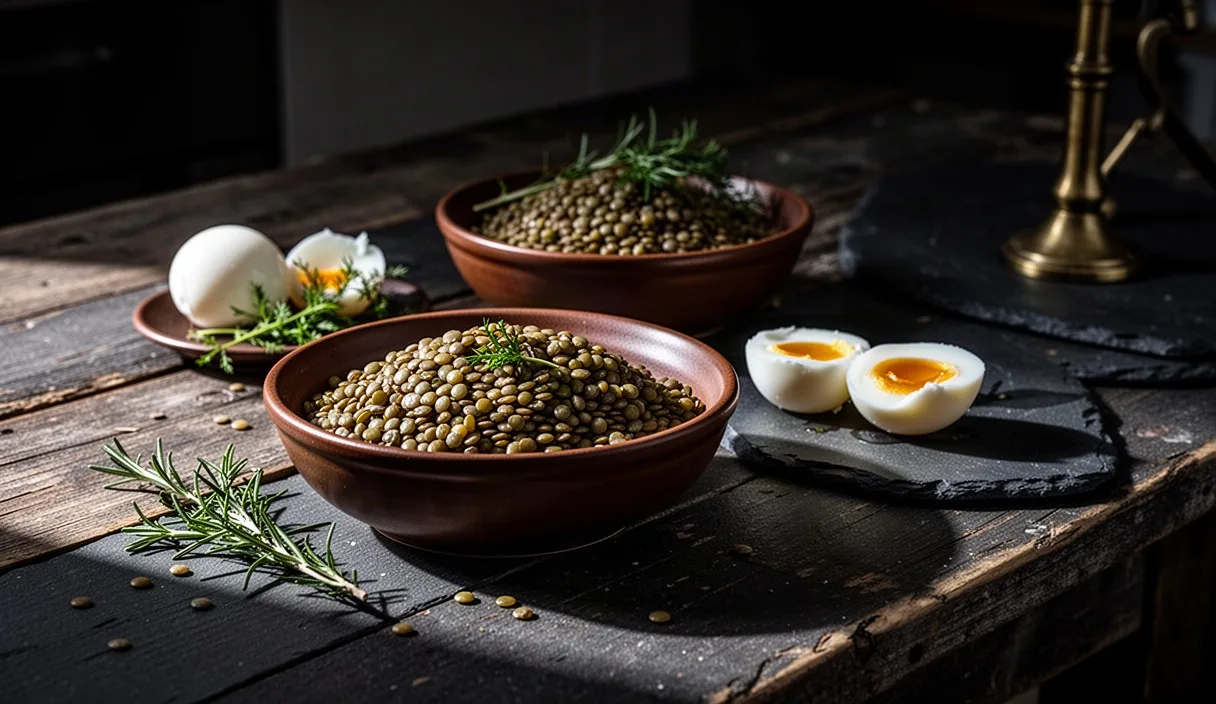

Walk through the weekly market in Kortrijk on a crisp Tuesday morning or browse the stalls near the Vrijdagmarkt in Ghent, and you will notice how our regional food culture has always been built around hearty, honest provisions. Yet as the years slip by and we move past forty or fifty, our bodies quietly change the way they handle sustenance. The easy resilience of youth fades, morning stiffness lingers a little longer after a brisk bike ride along the towpath, and recovery from routine physical tasks takes more patience than it once did. In response, modern wellness culture often pushes tubs of chalky powder and chemical-sweetened shakes that feel utterly foreign to a kitchen rooted in good European cooking.
You do not need to drink synthetic vanilla mixtures or turn your daily meals into a clinical science experiment to preserve muscle and vitality. True physical resilience comes from understanding how whole ingredients work inside the body, then stocking your larder with dependable, nutrient-dense staples. By taking cues from traditional pantries across Flanders, combining pulses, dairy, eggs, and North Sea fish, you can easily meet your daily requirements while sitting down to plates of food that actually taste like lunch and dinner.
Why Midlife Bodies Need Higher Protein Efficiency
As we cross into midlife, our skeletal muscle becomes less responsive to the protein we consume. Researchers refer to this biological phenomenon as sports nutrition resistance. In simple terms, a twenty-year-old can maintain lean muscle mass on modest, sporadic protein intakes because their hormonal environment actively drives tissue repair. In midlife, the cellular machinery requires a stronger, clearer signal to stimulate muscle protein synthesis. Without that stimulus, the body slowly sheds lean tissue year after year, a gradual decline known as sarcopenia that often goes unnoticed until climbing the stairs with a heavy crate of apples suddenly feels taxing.
Efficiency matters more than raw volume. If you consume forty grams of protein in a single sitting, your digestive system breaks those proteins down into individual amino acids, particularly leucine. Leucine acts as the metabolic key that starts muscle rebuilding. Midlife bodies require roughly 2.5 to 3 grams of leucine per main meal to trigger that process. When you rely on light salads or skimpy sandwiches with a single translucent slice of ham, you fail to hit that physiological threshold, leaving your muscles in a net breakdown state for the day.
It is equally vital to distribute this intake across your waking hours rather than backloading everything into a heavy evening stew. Eating sixty grams of protein at eight in the evening cannot compensate for a morning and afternoon spent in protein deficit. Spreading your intake across three balanced meals gives your muscle tissue repeated opportunities to rebuild, supporting joint stability, metabolic health, and baseline strength without overtaxing your digestion.
Whole Food Protein Sources in Local Pantries
Our traditional foodways offer plenty of protein dense ingredients that do not require processing factories. Consider dairy: traditional quark, known locally as plattekaas, is one of the most concentrated sources of slow digesting casein protein available. A sturdy bowl of whole milk plattekaas delivers roughly twenty-four grams of protein alongside calcium and beneficial fats, keeping you sated far longer than fruit yogurt. Aged hard cheeses, such as an aged Gouda or regional farm cheeses, provide roughly twenty-five to twenty-eight grams of protein per hundred grams, though their higher fat content means they work best as substantial accents rather than the sole foundation of a meal.
The sea provides another reliable pillar. The cold waters of the North Sea yield mackerel, herring, cod, and brown shrimp, all packed with complete proteins and essential fatty acids. Tinned sardines and mackerel packed in olive oil sit comfortably in a cellar cupboard for months, ready to be tipped onto bitter greens or dense sourdough. On the landward side, dried brown beans, green split peas, and lentils have nourished Flemish families through damp winters for centuries, offering fiber and complex carbohydrates alongside plant-based nitrogen.
| Ingredient | Standard Serving Size | Approximate Protein Content | Primary Kitchen Use |
|---|---|---|---|
| Low-fat Plattekaas (Quark) | 200 grams | 22 grams | Morning bowls, herb spreads |
| Hard Flemish Farm Cheese | 40 grams | 11 grams | Shaved over vegetables, midday snack |
| Tinned North Sea Mackerel | 110 grams (drained) | 23 grams | Salads, open sandwiches |
| Cooked Green Lentils | 180 grams | 16 grams | Warm side dishes, winter soups |
| Free-range Eggs | 2 large eggs | 13 grams | Omelets, poaching over greens |
| Pumpkin Seeds (Pepitas) | 30 grams | 9 grams | Toasted topping for soups and grain bowls |
Redesigning Breakfast Beyond Simple Toast
The standard modern breakfast has become a trap of convenience: white or brown bread spread with sweet fruit jam or chocolate paste, accompanied by a cup of black coffee. This meal offers almost no protein, spikes blood sugar rapidly, and leaves you foraging for biscuits by ten in the morning. Transforming this first meal does not require frying a mountain of bacon; it simply requires treating breakfast as a serious plate of food.
If you prefer a savory morning, turn to eggs and fermented vegetables. Scramble three eggs in a teaspoon of good butter, folding in chopped chives and a generous handful of baby spinach until wilted. Serve this alongside a thick slice of rye sourdough spread with seasoned plattekaas instead of butter. This single adjustment lifts your morning protein from four grams to roughly thirty grams, establishing stable blood sugar and robust mental focus that carries you straight through to the afternoon.
For those who prefer a cool, spoonable breakfast, build a layered bowl around dairy and seeds rather than commercial boxed muesli. Try this simple sequence:
- Spoon two hundred grams of dense quark or Greek-style whole yogurt into a wide bowl.
- Stir in two tablespoons of hemp hearts or ground flaxseed, which dissolve easily into the curds while contributing four to six grams of protein.
- Scatter thirty grams of raw pumpkin seeds and chopped walnuts across the top for crunch.
- Finish with a half cup of fresh blackberries or sliced seasonal pears for natural sweetness and tart acidity.
This combination requires under four minutes of assembly, requires zero cooking, and easily clears twenty-eight grams of quality protein without a drop of commercial supplement powder in sight.
Batch Cooking Pulses and Fish for Lunch
Midday meals often fall apart when busy schedules collide with poor planning, leading people straight to the bakery counter for a quick pastry or mayonnaise-heavy baguette. The antidote is a weekend rhythm of batch cooking that treats pulses and preserved fish as building blocks. Spending forty-five minutes in the kitchen on a quiet Sunday afternoon sets up your lunches for the entire working week.
Begin by simmering a half-kilo bag of dry green lentils or brown beans. Rinse them thoroughly, place them in a heavy pot covered with water, toss in a halved onion, two bay leaves, and a sprig of fresh thyme, and bring them to a gentle simmer for thirty-five minutes until tender but not mushy. Drain, discard the aromatics, and store the legumes in an airtight glass container in the coldest part of your refrigerator. These keep well for four to five days and serve as a savory base that absorbs whatever vinaigrette you pour over it.
To assemble a thirty-gram protein lunch in under three minutes, follow this assembly process:
- Spoon a generous cup of cooked lentils into a bowl and dress them immediately with cider vinegar, cold-pressed rapeseed oil, and sharp mustard.
- Crack open a tin of sardines, boneless herring fillets, or wild salmon packed in brine or olive oil. Flake the fish directly over the lentils with a fork.
- Add raw vegetables with snap, such as sliced Belgian endive (witloof), grated carrots, or pickled red onions, to balance the rich oils of the fish.
- Finish with a hard-boiled egg cut into quarters and a sprinkle of flaky sea salt.
The lentils provide complex starch, minerals, and plant protein, while the cold-water fish adds clean animal protein, vitamin D, and marine omega-3 fatty acids. You can carry this meal anywhere in a glass jar, and it tastes far better at room temperature than any cold turkey sandwich.
Calculating Daily Targets Without Obsessive Tracking
Weighing food on digital scales and typing every crumb into a smartphone application is a quick path to mealtime exhaustion. Most people abandon mobile tracking within three weeks because it turns dinner into data entry. You do not need absolute precision down to the single gram; your body works on rolling averages over days and weeks. What you need is an intuitive, visual benchmark that you can apply at any dining table or market counter.
A sensible baseline for midlife adults looking to preserve vitality and muscle is roughly 1.2 to 1.6 grams of protein per kilogram of healthy body weight. For an individual weighing seventy kilograms, that translates to approximately eighty-four to one hundred and twelve grams per day. If you have underlying kidney conditions or specific metabolic diseases, consult your general practitioner or a registered dietitian before deliberately increasing your protein target, as clinical parameters require individual tailoring.
To hit that target without a scale, use the palm of your hand as a reliable reference point:
- One palm-sized portion of cooked meat, poultry, or dense fish yields approximately twenty-five to thirty grams of protein.
- A fist-sized serving of cooked lentils, chickpeas, or plattekaas represents roughly fifteen to twenty grams of protein.
- A thumb-sized portion of hard cheese or shelled nuts delivers about five to seven grams of protein.
Aim for two palms or one large palm paired with a generous fist of plant protein at each of your three main meals. If you achieve that balance at breakfast, lunch, and dinner, you will hit your target effortlessly without logging a single number into your telephone.
Common Mistakes to Avoid
The most frequent error is relying entirely on plant proteins without combining complementary profiles or accounting for digestibility. While beans and grains are wonderful, their protein is bound within fibrous cell walls, making it slightly less bioavailable than animal-derived sources. If you consume mostly plant foods, you must increase your total portion size by roughly twenty percent compared to animal equivalents to ensure you absorb adequate amino acids.
Another routine mistake is ignoring the liquid calories and fats that often hitch a ride with protein foods. Tucking into fatty sausages, deep-fried croquettes, or rich creamy sauces in the name of protein loading will rapidly overload your digestion and drive up unwanted calories without providing the necessary amino acid density. Choose clean preparations: braised meats, poached fish, boiled eggs, and fermented dairy.
Finally, avoid skipping protein at mid-afternoon if your evening meal is habitually delayed. If lunch is at noon and dinner does not happen until eight in the evening, your body enters a protracted catabolic stretch. A small, whole food bridging snack, such as two hard-boiled eggs with a smear of mustard or a bowl of cottage cheese with sliced radishes, keeps your metabolic repair mechanisms supplied until supper.
Practical Next Steps for Your Week
Do not attempt to overhaul your entire kitchen overnight. Lasting dietary habits settle in slowly, much like learning the seasonal rhythm of the garden along the river. Start with these concrete actions over the next seven days:
- Audit your morning plate: Replace your standard bread-and-jam breakfast tomorrow with three eggs and a slice of sourdough or a substantial bowl of whole plattekaas topped with pumpkin seeds. Observe how your hunger and concentration behave at eleven in the morning.
- Restock the larder: Visit your local grocer or weekly market this week and buy six tins of quality sardines or mackerel, two packs of dried lentils, and a carton of farm eggs. Place them front and center in your cupboards and fridge where they are easy to reach.
- Cook one base batch: On Sunday, simmer a pot of brown beans or green lentils with aromatic herbs. Store them in glass containers so your midday meals for Monday, Tuesday, and Wednesday require nothing more than opening a tin of fish and chopping an endive.
By bringing honest, nutrient-dense ingredients back to your cutting board, you can support your strength, maintain your independence, and feed your body properly for the decades ahead, entirely free of synthetic powders.