 Leie Life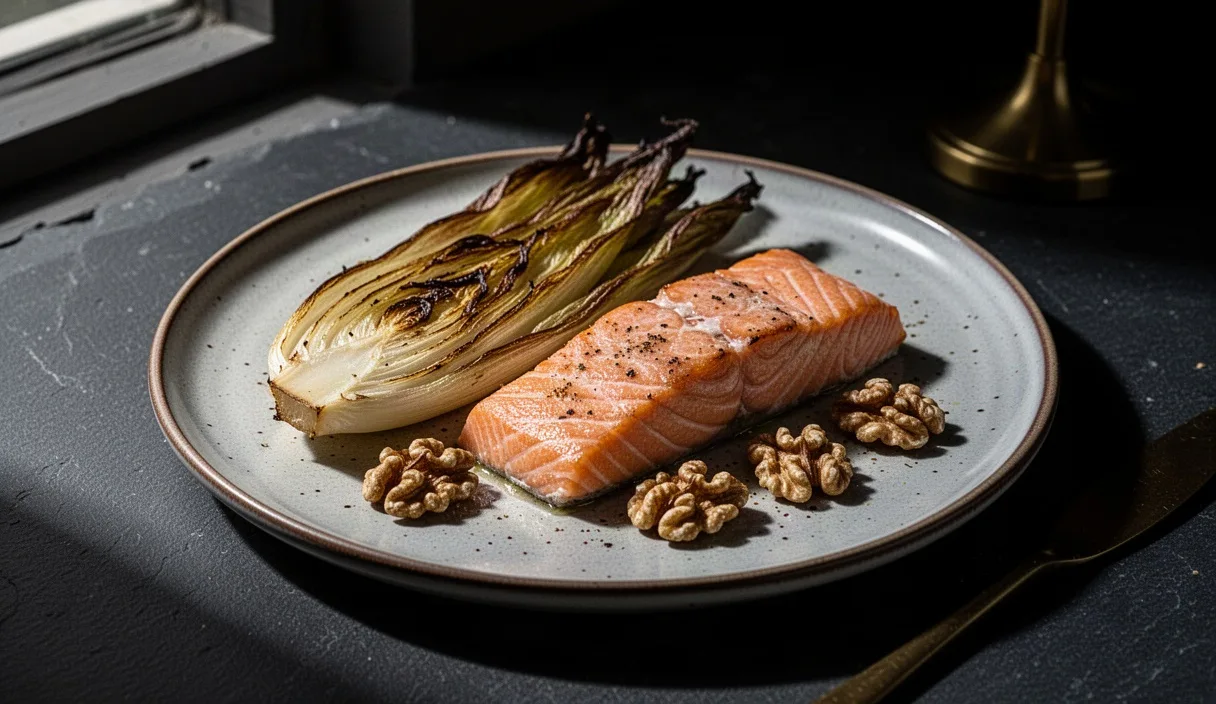

Around two in the afternoon, offices and workshops along the Leie tend to quiet down. In Kortrijk, when the church bells chime past midday and the gray damp of late autumn settles over the water, the urge to lean back in your chair and shut your eyes becomes almost physical. Many people write this off as poor sleep, a lack of willpower, or simply the price of getting older. They reach for another black coffee or a biscuit from the tin in the staff kitchen, hoping to coax their brain into another three hours of concentration.
Yet this familiar slump is rarely a character flaw or an inevitable curse of middle age. More often, it is the direct biological consequence of how our midday meal moves through the bloodstream. When a lunch heavy on soft white bread, potatoes, or quick sugars hits the digestive tract, it sets off an internal pendulum of sharp glucose spikes and sudden insulin surges. Learning to stabilize this rhythm does not require an austere diet or exotic ingredients; it requires an understanding of basic metabolic timing, local pantry staples, and the mechanical order in which we feed our bodies.
Understanding Age-Related Insulin Dynamics
As the human body moves through its fourth, fifth, and sixth decades, its internal plumbing changes. Skeletal muscle mass naturally declines unless actively preserved through resistance training. Because skeletal muscle is the primary destination for clearing glucose out of circulation after a meal, this gradual loss reduces the storage capacity for carbohydrates. Cells in the liver and muscles also become less sensitive to insulin, the hormone secreted by the pancreas to ferry glucose into tissue.
To compensate for this creeping resistance, the pancreas often pumps out larger volumes of insulin to manage the exact same sandwich or bowl of soup that you digested without issue twenty years ago. This hyperinsulinemic response can feel invisible at first, but it lays the groundwork for pronounced energy swings. If you notice persistent fatigue, unquenchable thirst, or unexpected shifts in body composition, consult your general practitioner or a registered dietitian; a routine fasting blood draw and an HbA1c test will provide clear parameters on your metabolic baseline.
A typical age-related shift involves not just insulin resistance, but also altered gastric emptying. Stomach acid production and enzyme secretion slow down with age. When a large, poorly combined meal sits in the gut, digestion takes longer and demands more systemic energy, drawing blood volume away from peripheral tissues and the brain toward the mesenteric circulation.
The Anatomy of an Afternoon Energy Slump
The sudden drop in alertness between 13:30 and 15:30 follows a well-documented physiological sequence known as reactive hypoglycemia or postprandial somnolence. When a midday meal releases simple carbohydrates rapidly into the duodenum, blood glucose climbs sharply. In response, the pancreas floods the circulatory system with insulin. Because the hormone surge is often excessive relative to the body's immediate caloric burn, glucose is cleared from the bloodstream too rapidly, leaving circulating blood sugar lower than it was before you sat down to eat.
At the same time, this metabolic swing interacts with your circadian rhythm. The human body experiences a secondary dip in alertness roughly seven to eight hours after waking, driven by the steady buildup of adenosine in the central nervous system. When low circulating glucose coincides with this natural circadian dip, the sensation of fatigue is magnified threefold. The brain, which relies on a continuous supply of glucose to fuel cognitive work, registers this drop as an emergency, prompting cravings for quick sugar or caffeine.
| Stage | Timing Post-Meal | Physiological Event | Physical Sensation |
|---|---|---|---|
| Rapid Absorption | 20 to 45 minutes | Quick starches convert to glucose; rapid blood sugar peak. | Brief burst of energy, slight internal warmth. |
| Insulin Overshoot | 45 to 90 minutes | Pancreas releases high insulin; glucose gets shunted into fat and muscle. | Initial brain fog, wandering focus. |
| Hypoglycemic Trough | 90 to 150 minutes | Circulating glucose falls below fasting baseline; adenosine peaks. | Heavy eyelids, irritability, urgent cravings for sweets. |
| Gradual Recovery | 150 to 210 minutes | Liver releases stored glycogen via glucagon signaling. | Slow return of baseline focus, lingering physical sluggishness. |
This cycle also triggers a release of counter-regulatory hormones, including daily balance and adrenaline, as the body attempts to bring blood glucose back into a safe range. This is why an afternoon slump is frequently accompanied by a strange combination of physical exhaustion and mental jitteriness, often referred to as being tired but wired.
Meal Sequencing: Fiber, Protein, and Starch
Preventing this rollercoaster does not mean banishing carbohydrates entirely. In our region, where good sourdough, rye loaves, and root vegetables have sustained generations through harsh winters, eliminating starches is neither practical nor culturally sensible. The solution lies in how you arrange your plate and the sequence in which you swallow your food. Clinical trials show that eating meal components in a specific order significantly flattens post-meal glucose and insulin curves.
The rule of thumb is simple: fiber first, protein and fats second, and starches last. When fiber enters an empty stomach, it forms a viscous mesh along the walls of the small intestine. This mesh acts as a physical barrier that slows the transit and absorption of glucose molecules that follow. Protein and dietary fat stimulate the release of cholecystokinin and glucagon-like peptide-1 (GLP-1), digestive hormones that further delay gastric emptying.
- Begin with vegetables: Start your lunch with raw or lightly cooked vegetables dressed in olive oil or cold-pressed rapeseed oil. A small plate of shaved raw witloof (Belgian endive), grated carrots, or pickled red cabbage creates the necessary fiber matrix in the digestive tract.
- Eat proteins and fats: Move on to your primary protein source, such as hard-boiled eggs, canned mackerel, stewed lentils, or baked poultry, alongside healthy fats like walnuts or mature cheese. This stimulates satiety signals and stabilizes gastric motility.
- Finish with starches: Consume your slice of dense wholemeal bread, boiled new potatoes, or grains at the very end of the meal. By the time the starches break down into glucose, the digestive machinery is moving at a measured pace, preventing sharp absorption peaks.
Consider the difference between two common lunch arrangements. Eating a white bread roll with ham and cheese directly down the hatch causes an immediate spike. Taking that same meal, peeling apart the elements, eating a handful of radishes and chicory first, then the ham and cheese, and concluding with half a slice of heavy seeded rye, reduces the glucose excursion by up to 35 percent without reducing total calories.
The Impact of a Brief Post-Meal Walk
One of the most potent tools for managing post-meal blood sugar does not come from a kitchen cabinet. It is the simple act of putting on your coat and walking outside. When your muscles contract, they activate an insulin-independent pathway for glucose clearance. Specifically, muscle contractions trigger the translocation of glucose transporter type 4 (GLUT4) proteins to cell membranes, pulling sugar directly from the blood to use as fuel without requiring extra work from the pancreas.
You do not need an athletic workout to achieve this effect. A brisk stroll lasting 12 to 18 minutes around the neighborhood, down along the towpaths of the river, or even around the quiet residential blocks near your workplace is sufficient. The key is timing: the walk should begin within 15 to 30 minutes after taking your final bite, catching the glucose curve before it reaches its highest crest.
- Pace: Walk at a natural, steady clip where you can still maintain a conversation without gasping. Fast enough to warm your skin, slow enough to avoid digestive distress.
- Posture: Keep your shoulders relaxed and let your arms swing naturally to engage upper-body musculature, expanding the total muscle surface area pulling glucose from circulation.
- Weather adaptation: Rain and north winds are frequent fixtures in our corner of the low countries. Keep a solid wool coat, waterproof shoes, and an umbrella by the door so foul weather never serves as an excuse to remain seated at your desk.
If you work on an upper floor, taking the stairs rather than the lift after lunch provides an identical benefit in a shorter window. Two or three flights taken at a steady, unhurried cadence will clear postprandial glucose rapidly, keeping your head clear for the tasks waiting on your desk.
Beverage Choices That Do Not Sabotage Afternoon Focus
Liquids carry a unique capacity to disrupt blood sugar because they bypass the mechanical breakdown required by solid food. Many office workers inadvertently undo a carefully constructed lunch by making poor beverage choices immediately afterward. Commercial iced teas, sweetened dairy drinks, and fruit juices hit the bloodstream almost instantaneously, causing an aggressive insulin reaction.
Coffee requires careful management. A small espresso taken immediately after lunch can support gastric acid production and aid digestion. However, consuming a large milky coffee laden with oat milk or syrups two hours later, right as blood sugar is already dropping, restarts the volatility cycle. Commercial plant-based milks, particularly oat milk, are often enzymatically treated starches that behave in the body like liquid maltose.
Water should be your primary beverage, but timing matters. Drinking half a liter of ice-cold water during a meal can dilute digestive enzymes and distend the stomach, which slows transit times. Aim to drink water steadily throughout the morning, pause 15 minutes before lunch, and resume drinking room-temperature water or plain herbal teas roughly 45 minutes after you finish eating.
Infusions made from local herbs offer a reliable, caffeine-free bridge through the afternoon. Chamomile, fennel seed, and peppermint promote smooth digestive motility without stressing the nervous system. If you prefer a warm drink with some astringency, switch from heavy black teas to roasted chicory root or unsweetened green tea, which provides a small, stable dose of theanine alongside a low volume of caffeine.
Common Mistakes That Amplify the Slump
Even well-intentioned adjustments can misfire if the underlying mechanics are misunderstood. When trying to fix afternoon lethargy, watch out for these regular pantry errors:
- Skipping lunch entirely: Fasting through the midday meal may prevent an afternoon spike, but it frequently leads to a severe late-afternoon daily balance surge, accompanied by intense evening binging on refined starches.
- Trusting commercial low-fat yogurts: Products marketed as light or healthy often substitute fat with modified corn starch, fruit concentrates, or thickeners, creating a product with a higher glycemic index than standard whole-milk yogurt.
- Relying on naked carbohydrates for snacks: Grabbing an apple, a rice cake, or a dry biscuit at 15:00 provides a brief bump in energy followed by a steeper crash. If you eat fruit, pair it with five or six raw almonds or a spoonful of unsweetened nut paste.
- Overeating protein at midday: While protein blunts glucose spikes, an excessively heavy portion of red meat or deep-fried food places immense strain on bile and stomach acid production, leading to circulatory fatigue purely from digestive load.
Practical Steps for the Week Ahead
Changing your midday metabolic response does not require an overhaul of your entire lifestyle. It works best when applied as a small, consistent routine practiced five days a week. For individuals managing diagnosed metabolic conditions, type 2 metabolic balance, or cardiovascular concerns, any structural shift in diet should be discussed with your physician or an accredited clinical dietitian first.
Begin on Monday by altering only your food order. Keep your regular lunch, whether packed from home or picked up near the market square, but change how it enters your body. Eat your raw greens or soup vegetables first. Eat your protein second. Eat your bread or potatoes last. Observe how your eyelids feel at 14:30.
On Wednesday, add the physical movement. As soon as your lunch plate is cleared, lace up your walking shoes and step outside for 15 minutes. Walk along the water or circle the block twice before sitting down to look at your computer screen. By Friday, review your beverage choices, swapping post-lunch sweet drinks for plain water or roasted chicory. Small, deliberate adjustments to the mechanics of eating can turn the afternoon from a battle against exhaustion into the most productive hours of your day.