 Leie Life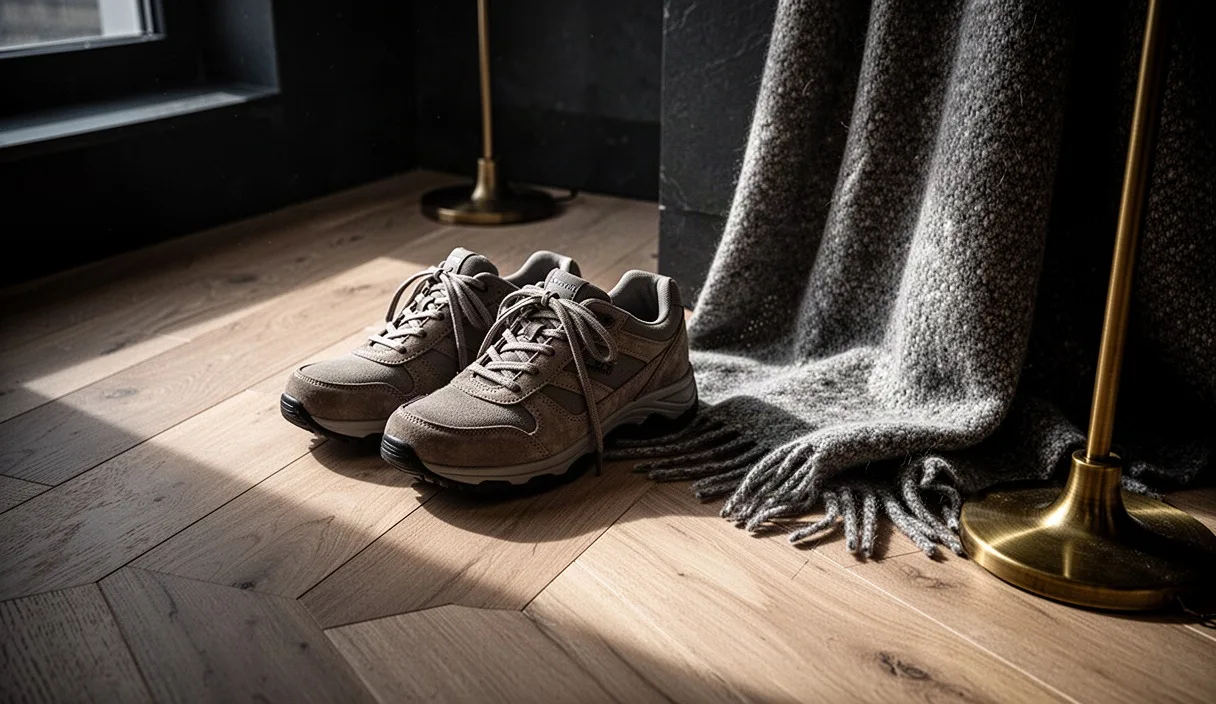

Morning in the Leie valley often begins with mist hanging over the water, a chill settling into the brickwork, and an unmistakable heaviness in the knees the moment your feet seek the floorboards. For many residents living along the river between Ghent, Deinze, and Kortrijk, the first ten minutes out of bed feel less like waking up and more like coaxing a pair of rusty hinges into motion. Going down the steep wooden stairs of an older townhouse or walking across a cold scullery floor can turn what should be an ordinary start to the day into a gingerly, cautious negotiation.
This early stiffness is common, especially once you cross into your late forties and fifties. It does not necessarily mean your joints are damaged beyond repair or that your weekend cycling along the towpath is a thing of the past. Joint stiffness upon waking is largely a mechanical and biological response to several hours of stillness under the duvet. By understanding how joint fluid behaves after sleep and adopting a short, repeatable sequence of low-load movements before putting full body weight on your legs, you can ease the transition from the mattress to the breakfast table without forcing or aggravating tender cartilage.
Why Joint Lubrication Slows Down After Forty-Five
Inside every healthy knee joint sits a small amount of synovial fluid, a viscous liquid with an egg-white consistency that cushions the cartilage surfaces of the femur and tibia. This fluid does not circulate via an active pump like blood driven by the heart. Instead, synovial fluid relies entirely on physical movement to coat the interior of the joint capsule. When you sleep for seven or eight hours, movement drops to minor shifts in posture. The fluid thickens slightly as joint temperature falls, and it settles into the back corners of the joint capsule rather than bathing the weight-bearing contact surfaces.
As we cross the age of forty-five, the chemical profile of this fluid naturally changes. The body produces fewer long-chain hyaluronic acid molecules, which give synovial fluid its slippery, shock-absorbing properties. At the same time, the cartilage that caps the ends of the leg bones retains slightly less water. When these two shifts meet an unheated Flemish bedroom on an October morning, the physical resistance inside the knee joint rises sharply during the first few steps.
Low-grade inflammation also plays a part. Overnight, while the body rests, mild inflammatory markers can gather in the joint tissues if you have spent the previous afternoon walking over uneven cobblestones in town or working in the garden. This small accumulation creates a sensation of tightness or mild swelling that usually dissipates after twenty to thirty minutes of gentle, continuous motion, as lymphatic flow and capillary circulation clear the area.
Gentle Mobilisation Before Leaving Bed
The most effective way to address thickened synovial fluid is to warm the joint from the inside out before standing up. Loading a cold, dry joint with your full body weight creates unnecessary shear stress across cartilage plates. Spending three to five minutes moving the legs under the warmth of the duvet helps redistribute fluid across the articular cartilage before your feet touch the floor.
- Bedside heel slides: Lie flat on your back with your legs straight. Slowly draw one heel toward your buttocks, keeping the sole of your foot or heel in light contact with the sheet. Bend the knee until you feel a gentle stretch, hold for two seconds, and slide the heel back down until the leg is flat. Repeat twelve times per leg at an unhurried tempo.
- Ankle pumps and circles: With legs extended, point your toes firmly away from you, then pull your toes back toward your shins. Complete twenty pumps, followed by ten slow circular rotations outward and ten inward. The calf muscles act as a muscular pump, driving venous blood upward and warming the lower leg.
- Supported knee hugs: Bend one knee, clasp both hands behind the thigh rather than over the kneecap, and draw the thigh toward your chest. Keep the movement comfortable; do not pull hard. Hold for five seconds, release the tension partially, and repeat six times before switching to the opposite leg.
- Static quadriceps sets: With your legs resting flat, tighten the muscle on the front of your thigh by pressing the back of your knee gently downward into the mattress. Hold that contraction for four seconds, feel the kneecap shift upward slightly, then let it relax completely. Perform eight repetitions on each side.
Take care not to hold your breath during these initial drills. Smooth, steady breathing keeps the abdominal wall relaxed and prevents systemic tension from creeping into your hip flexors, which directly influence how the knee aligns when you eventually stand.
Seated Range-of-Motion Drills for the Morning
Once you sit up on the edge of the bed or transfer to a sturdy kitchen chair, you can introduce gravity into the movement without asking the knees to carry your body weight. A firm dining chair with a flat seat is preferable to a low, soft armchair, which places the hips lower than the knees and increases torque across the patellar tendon.
Seated Knee Extensions
Sit upright with your back supported against the chair back and your feet flat on the floor, about hip-width apart. Straighten your right leg slowly until your knee is nearly straight, pausing just short of a rigid lockout. Hold the foot elevated for two seconds, focusing on engaging the lower portion of the quadriceps just above the kneecap, then lower the foot under control over a three-second count. Perform ten controlled repetitions on each leg. If you hear a light clicking or soft popping that brings no pain, that is generally benign gas release or tendon tracking; if there is a sharp pinch, reduce how high you raise the foot.
Assisted Heel Sweeps
In the same seated position, place a small cotton tea towel or felt pad under your sock on a smooth floor surface. Smoothly slide your heel backward underneath the chair seat as far as your knee comfortably permits, allowing the heel to lift naturally if needed. Pause for a second at the point of mild tension, then slide the foot forward again until the leg is extended. Complete twelve continuous sweeps with each leg. The reduced friction allows the joint to explore its natural flexion boundary without muscular straining.
Alternating Seated Marching
Sit toward the front third of the seat with your spine tall. Lift your left knee upward toward your chest by three to four inches, lower the foot gently, and immediately raise the right knee. Continue this alternating march for forty-five to sixty seconds at a rhythmic pace. This movement engages the hip flexors, improves pelvic stability, and increases core body temperature, ensuring that the tendons surrounding the knee joint are thoroughly warm before you walk into the kitchen to put the kettle on.
Footwear Choices for Hard Floors at Home
Many homes in our towns feature bluestone tiles in the entryway, terracotta in the kitchen, or polished oak parquet in the living room. Walking barefoot, in thin socks, or wearing flat, floppy slippers on these hard, unyielding surfaces forces the knee joint to absorb direct ground impact with every stride. For an irritated or stiff joint, this morning impact creates micro-trauma that offsets the mobility work you just performed.
The solution is not rigid hiking boots indoors, but rather dedicated indoor footwear that provides a stable base, mild cushioning, and an enclosed or secure heel. A secure heel prevents your toes from gripping, an unconscious reflex that tightens the calf muscles and pulls unevenly on the back of the knee capsule.
| Footwear Type | Shock Absorption | Heel Support | Suitability for Stiff Knees |
|---|---|---|---|
| Barefoot or thin socks | Minimal | None | Poor; increases ground strike impact on hard tiles |
| Backless flat slippers | Very low | None | Poor; triggers toe-clawing and calf tightness |
| Supportive cork-bed clogs | Moderate to high | Moderate (moulded cup) | Good; maintains arch alignment and cushions heel strike |
| Indoor recovery shoes or runners | High | Full (enclosed heel counter) | Excellent; disperses load and reduces knee shear stress |
If you prefer clogs or slides inside the house, choose models with a contoured footbed that supports the medial arch. When the arch of the foot collapses inward during walking, the lower leg rotates internally, which places an asymmetrical rotational twist on the inner compartment of the knee. A supportive indoor shoe keeps the foot neutral, allowing the knee to track straight over the second toe as you navigate your morning chores.
When to Discuss Knee Discomfort with a Physician
Routine morning stiffness that fades within fifteen to twenty minutes of waking is a typical part of midlife joint biology. However, you should not normalize every form of knee discomfort. Certain clinical signs suggest that your symptoms stem from something other than simple synovial sluggishness, requiring a formal assessment from a general practitioner, a physical therapist, or an orthopaedic specialist.
Make an appointment to discuss your knees if you observe any of the following presentations:
- Stiffness lasting longer than forty-five minutes: If your knees remain locked, tight, or difficult to bend well into the late morning despite continuous movement, this can indicate an active inflammatory arthropathy rather than mild age-related wear.
- Visible swelling or heat: A knee that appears puffy, displays a fluid bulge above or behind the joint, or feels warm to the back of your hand warrants clinical attention. Fluid accumulation inside the joint capsule inhibits muscle activation.
- Giving way or mechanical locking: If the knee buckles unpredictably under your weight or catches mechanically so that you cannot bend or straighten it without physically manipulating the leg, you may have a structural meniscus or ligament issue.
- Night pain that disrupts sleep: Discomfort that wakes you from a sound sleep or aches persistently while lying entirely still is not standard morning stiffness and should be checked by a doctor.
- Accompanying systemic signs: Any joint pain accompanied by an unexplained fever, skin rash, or sudden unintended weight loss requires prompt medical investigation.
Common Mistakes in Managing Morning Knees
Well-meaning efforts to fix morning stiffness often backfire when people apply too much force too quickly. Here are three errors that frequently prolong discomfort instead of relieving it.
Aggressive stretching before the joint is warm. Grabbing your ankle behind your back to yank your heel against your glute while standing cold in your pyjamas puts intense pressure on the patellofemoral joint. Mobility work in the morning should be dynamic and flowing, not sustained end-range pulling on cold connective tissues.
Jumping straight into high-impact chores. Hauling laundry baskets up steep staircases, carrying heavy coal buckets, or bending down repeatedly to clean skirting boards within the first quarter-hour of waking exposes cold cartilage to peak compressive loads. Allow your twenty minutes of gentle indoor living and footwear support to do their work before tackling heavy physical chores.
Relying entirely on passive heat. Resting a hot water bottle or electric heating pad on the knee feels pleasant, but heat alone does not pump synovial fluid across the joint. Passive heat can relax tight superficial muscles, but it must be paired with active, unweighted movement to lubricate the actual articular surfaces inside the joint capsule.
A Sustainable Morning Routine for the Week Ahead
Managing joint comfort does not require expensive gear, lengthy workouts, or dramatic changes to your lifestyle. It simply requires respect for how your body transitions between sleep and activity. Tomorrow morning, before your feet hit the cold floor, give yourself four minutes for heel slides and ankle pumps under the duvet. Slip into a supportive pair of indoor shoes instead of worn-out slippers or bare feet, and do ten slow seated leg extensions while waiting for your coffee or tea to brew.
Consistency over several weeks yields far better joint mobility than an occasional hour of intense exercise on a Saturday. By treating joint lubrication as a quiet, non-negotiable part of your wake-up routine, you protect your mobility for the long haul, keeping you walking comfortably along the riverbanks, cycling into town, and moving freely through the years ahead.